21 September, 2026
Monday
FINTECH
Why Point of Sale – Not Neo-Banks – Is the Real Front Door of Fintech
Why Point of Sale – Not Neo-Banks – Is the Real Front Door of Fintech
By Cameron McKean – 25+ years in payments, invoicing & billing
For more than 25 years I’ve lived inside the plumbing of the global payments and billing industry – from telco billing and recurring subscriptions to high-risk merchants, alternative payments, and cross-border settlement.
Over that time I’ve watched several waves of “next big things” come and go in Fintech: prepaid cards, wallets, neo-banks, money transfer apps, buy-now-pay-later. Most of them repeat the same basic mistake:
They try to own the money without owning the moment of sale.
The quiet truth – the “secret” most of the industry still misses – is this:
The real key to the future of Fintech isn’t another bank app or wallet. It’s the Point of Sale (POS).
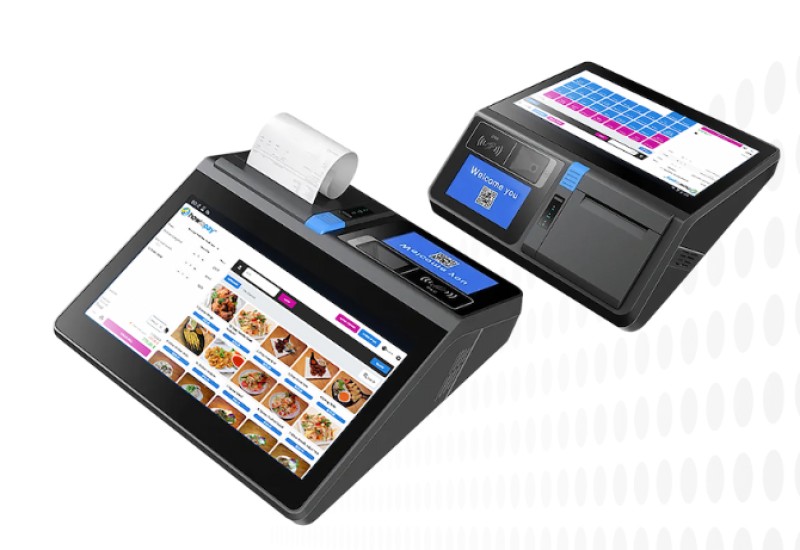
POS is the most under-valued, under-estimated asset in financial services. And in an AI-driven world, a cloud POS that sits at the center of the merchant’s business – fully connected to payments, invoicing, inventory, and analytics – is where the real power lies.
That’s exactly why I built HowToPay POS the way I did.
The mistake: chasing bank licences and ignoring the counter
When founders pitch Fintech, the story is often the same:
-
“We want to become the next neo-bank.”
-
“We’re building a new cross-border money transfer platform.”
-
“We’re a better PayPal.”
There’s nothing wrong with ambitious goals, but there’s a structural problem:
You can’t keep customers if you only touch them at the payment rail level.
-
Cards get reissued.
-
Banks get changed.
-
Wallet apps get deleted.
-
Gateways get swapped out when the next “0.1% cheaper” provider appears.
But a merchant’s POS system – the software that runs their front counter, prints their kitchen orders, controls their inventory, staff shifts, and daily reports – almost never changes unless they are forced to.
Merchants can live without “yet another wallet”. They cannot live without POS.
From restaurants to small retailers, the POS is the central nervous system of the business:
-
It tells the kitchen what to cook.
-
It tells staff what to serve.
-
It tracks stock, prices, tax, and discounts.
-
It records every sale in real time.
When I look at many bank and Fintech strategies, there’s a glaring blind spot:
They are trying to get closer to SMEs through products that are easy to replace, instead of through POS – the one system SMEs will fight to keep running at all costs.
Why PayPal and others stalled
Companies like PayPal changed the game in the early 2000s. But in my view, they haven’t done anything truly transformative for the small merchant at the counter in a very long time.
They still largely think in terms of:
-
“online checkout”
-
“send and receive money”
-
“wallet balances”
All important – but all adjacent to the real heartbeat of the SME: the POS.
The world has moved on:
-
Alternative payments (local rails, QR, wallets, crypto) have exploded.
-
SMEs sell across multiple channels – in-store, delivery apps, social media, marketplaces.
-
AI is now capable of turning raw transaction data into real-time advice.
Yet most large players still treat POS as an afterthought or a mere “integration point” rather than the core product.
POS: the forgotten gateway to the SME market
Here’s the part many banks and Fintech companies consistently miss:
POS is the gateway into the SME’s entire financial life.
If you own the POS relationship, you can earn the right to provide:
-
Payments & acquiring
-
Invoicing and recurring billing
-
Working capital and merchant cash advances
-
Payroll and staff management
-
Tax reports and accounting feeds
-
Loyalty, gift cards, memberships, and subscriptions
-
Insurance, FX, and other value-added financial products
A bank account doesn’t tell you:
-
Which dish is the most profitable on Tuesdays
-
Which staff member consistently upsells
-
When your stock of a key product will run out
-
Why your margin dropped last week
The POS does.
That’s why I built HowToPay POS as a modern cloud solution – not just to process sales, but to become a living data hub for small and medium-sized businesses, ready for the AI era.
Why POS is so “sticky” – and why that matters for Fintech
In my experience, SMEs will:
-
Change their bank if fees are too high
-
Change their payment gateway if approval rates drop
-
Change their card processor if settlement slows down
But they rarely change their POS system. When they do, it’s painful:
-
Staff retraining
-
Re-configuring menus and products
-
Migrating historical data
-
Reconnecting printers, KDS screens, scanners, and payment devices
-
Changing all the workflows they rely on every day
That pain is exactly what makes POS so powerful from a Fintech perspective:
-
High switching cost → strong retention
-
Deep operational integration → high trust
-
Complete transaction visibility → rich data
-
Daily use → constant engagement
If you want long-term SME clients and not just fleeting payment volume, POS is where you start.
The AI shift: why cloud POS must talk to intelligence, not just printers
We’re now in a highly AI-powered age. Simply storing transactions and printing end-of-day reports is not enough.
A modern cloud POS like HowToPay POS can (and should) connect to AI systems that understand:
-
Live sales
-
Product mixes
-
Peak hours
-
Staff performance
-
Inventory cycles
-
Customer behaviour
Because the POS sees everything at the moment it happens, it can feed real-time, high-quality, structured data into AI models.
What does that mean for a retailer or restaurant?
Here are practical, non-hype benefits of an AI-connected POS:
-
Smarter decisions, not just prettier reports
-
“You’re over-staffed on Monday lunch based on the last 90 days of sales.”
-
“Move this menu item to a combo – it sells well together and improves margin by 12%.”
-
“Customers who buy X often come back within 10 days – send them an offer on day 7.”
-
-
Dynamic, data-driven pricing & promotions
-
Adjust prices by time of day or day of week based on demand.
-
Run targeted promotions on slow-moving items before they expire.
-
See, in real time, whether a campaign is actually working.
-
-
Inventory and waste reduction
-
Predict when you’ll run out of key items and nudge you to reorder.
-
Highlight products that consistently lead to waste or refunds.
-
Help you plan purchasing around actual sales, not guesswork.
-
-
Cash flow forecasting and funding
-
Turn transaction history into short-term cash flow forecasts.
-
Identify quiet periods in advance and suggest actions.
-
Support access to smarter working capital, based on real, live business performance.
-
-
Staff performance and training
-
See who sells what, when, and at what margin.
-
Identify training needs based on actual behaviour, not just gut feel.
-
Reward staff who consistently improve basket size or customer satisfaction.
-
-
Compliance and audit readiness
-
Clean, structured data means easier tax reporting.
-
Clear audit trails reduce disputes with suppliers or regulators.
-
Automated exception alerts – for suspicious refunds, discounts, or voids.
-
None of this is possible if your “Fintech play” starts at the bank account instead of the POS screen.
Why I built HowToPay POS the way I did
When I designed HowToPay POS, I wasn’t trying to be “just another POS system.”
I wanted a cloud-native, AI-ready central hub that:
-
Works for real-world shops, bars, and restaurants in fast-moving, high-pressure environments.
-
Integrates payments, invoicing, and billing – not as afterthoughts, but as core features.
-
Can adapt quickly to new payment methods and alternative rails around the world.
-
Exposes clean, usable data so that AI can give real, actionable advice – not just charts.
Because I’ve seen this industry from all angles – high-risk merchants, alternative payments, banks, regulators, and cross-border partners – I know how fragile payment facilities can be.
What keeps merchants loyal isn’t the logo on the card terminal.
It’s the system that:
-
Opens their day
-
Runs every sale
-
Closes their till
-
Tells them whether they’re surviving or growing
That system is POS.
The message to banks and Fintech founders
If you’re in Fintech today – whether you’re a bank, PSP, gateway, or startup founder – my advice from 25+ years in this industry is simple:
-
Stop treating POS as “just another integration”.
Treat it as the primary product and the true front door to the SME. -
Build or partner with serious POS platforms.
Not just basic cash registers, but full operational systems – inventory, staff, multi-channel, AI-ready. -
Use POS data to power your financial products.
Approve funding, manage risk, and personalise services based on real business activity, not just bank statements. -
Think long-term relationships, not short-term volume.
Merchants will leave you for 0.1% cheaper fees. They will not leave a POS that runs their entire operation unless they have no choice.
The future belongs to those who control the counter
The Fintech story of the next decade won’t be written only by the loudest neo-bank or the flashiest payment card.
It will be written at the counter, on the screen that every staff member touches, every hour, every day.
That’s POS.
It’s why I’ve dedicated my career to the boring but vital world of payments, billing, and now cloud POS with AI at its core. And it’s why I believe the companies that truly understand this – and act on it – will be the ones that quietly win the SME market while others chase headlines.
If you want to build the future of Fintech, don’t just ask:
“How do we move money?”
Start by asking:
“How do we help merchants run their day?”
The answer to that question will lead you – as it led me – straight to the Point of Sale.
Source: https://www.howtopay.com/
Tags: